What We Do
Our Programmes
Mātauranga Māori Behaviour Change Programmes
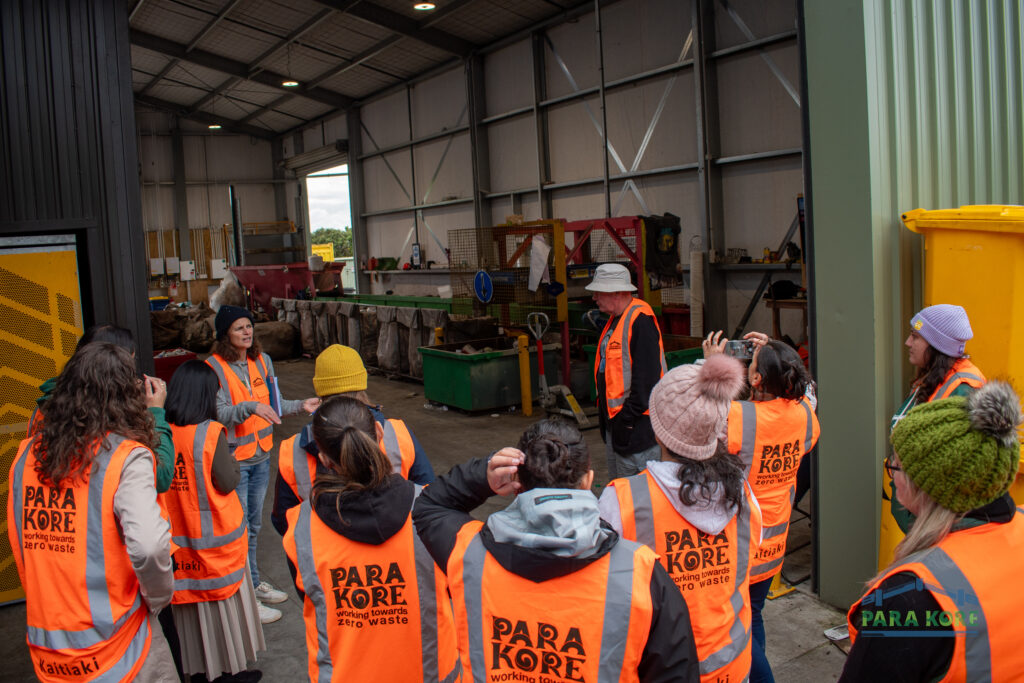
Para Kore offers a range of te ao Māori sustainability programmes throughout the motu that may be available in person or online, depending on where we have kaimahi and where we are funded to deliver them.
We work with marae, whānau, hapū, iwi, kura, kōhanga/puna reo, early childhood centres, whare karakia/churches, wāhi mahi, community organisations, tertiary institutions, companies, events, community gardens, kaumātua rōpū and more.
These wānanga are our building blocks for understanding how to live in harmony with Papatūānuku. We explore kaupapa Māori values, systems thinking, and sustainable living practices that empower whānau and hapū to transition toward a zero carbon, zero waste world. Perfect for those starting out or wanting to strengthen their foundation in climate and waste kaupapa.

Ikura is a Māori word for menstruation - a natural, powerful, and sacred part of life. Our tūpuna honoured it. Somewhere along the way, we lost that connection.
We’re bringing it back.

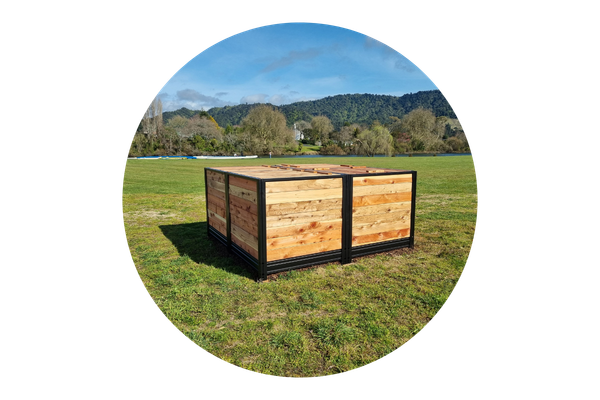
This programme reminds us that all kai, even food scraps, are precious because all our kai has whakapapa to Papatūānuku and Hineahuone. Our kai comes from the whenua. When we return our kai scraps to Papatūānuku rather than a landfill, we care for her and for Hineahuone, the first woman, who was formed from clay at Kurawaka by Tāne.
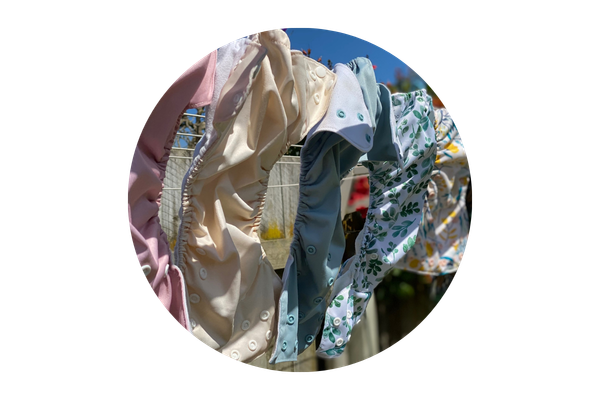
Learn about kope tautaiao (reusable nappies) and the benefits of using them for our mokopuna and our taiao. Discover how simple it can be to integrate cloth nappies into daily routines. Even just one a day makes a difference. Reduce waste, save money, and support a healthier future for our pēpi and Papatūānuku, one change at a time.

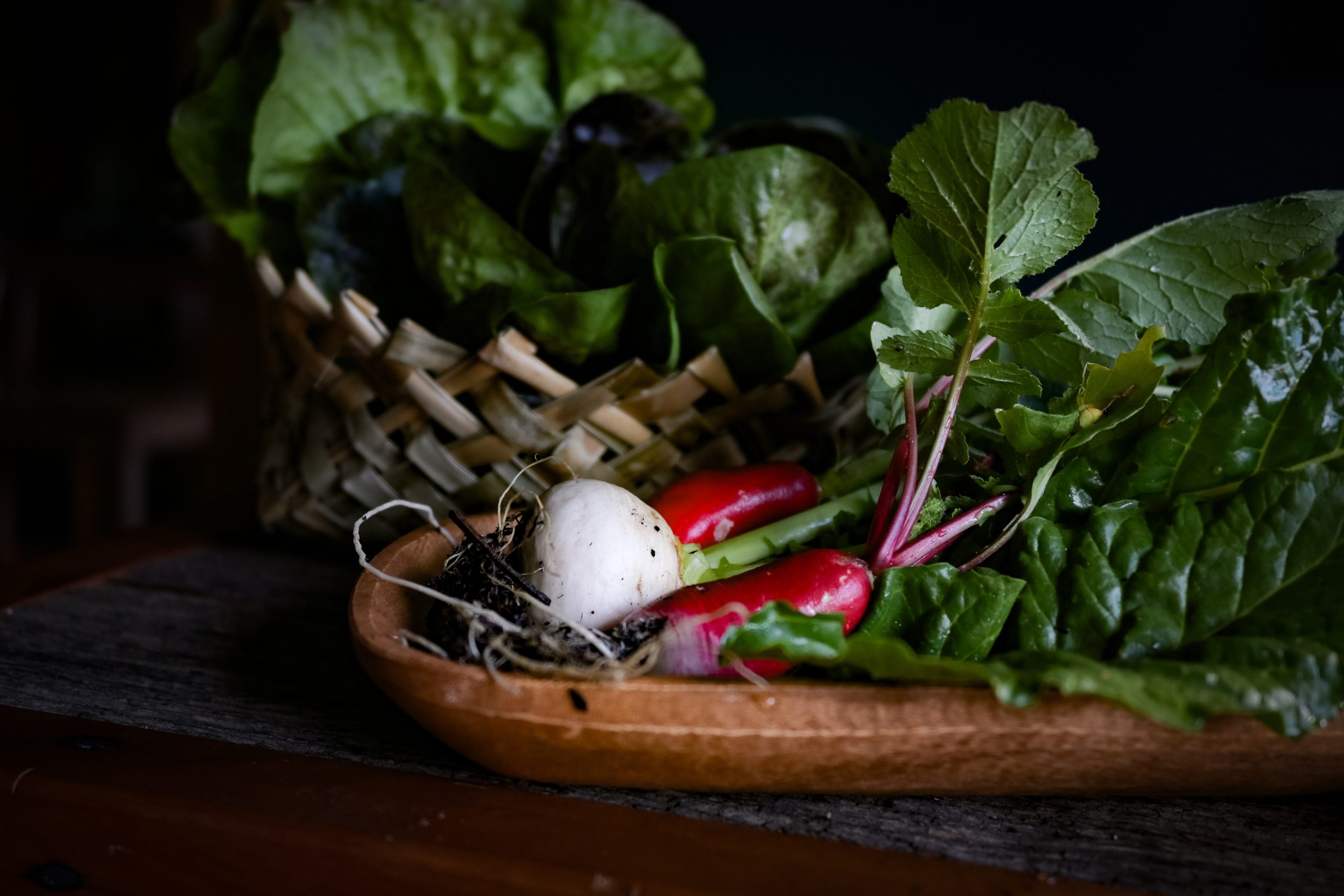
He Mana tō te Kai is a journey to reconnect with kai, whenua, and whakapapa. This programme supports the restoration of traditional food practices, from growing and gathering, to preparing, storing, and sharing. Guided by values of whakapapa, māramatanga, kaitiakitanga and manaakitanga, we explore how kai can nourish not only our bodies, but our whenua, relationships, and futures. Together, we reclaim kai as taonga, not waste.